Apple’s product roadmap has never been more transparent—or more ambitious. The idea of an “Apple Ultra” era isn’t just fan speculation anymore. Behind closed doors and in public filings, Apple has confirmed a multi-year push that redefines what its devices can do. From radically redesigned iPhones to MacBook models equipped with next-gen silicon, the company is accelerating its hardware evolution. This isn’t just about incremental updates. It’s about a unified vision stretching across devices, ecosystems, and user expectations.
For years, Apple fans speculated about an “Ultra” branding—reserved for the most powerful, feature-rich versions of their devices. With the Apple Watch Ultra leading the charge, the branding has now expanded. iPhone Ultra? Almost certain. MacBook Ultra? Already in testing. What ties these devices together isn’t just marketing—it’s a shared DNA of performance, durability, and seamless integration.
Let’s break down what’s confirmed, what’s coming, and how it could reshape your next tech purchase.
The iPhone Ultra Is Real—And It’s Not Just a Bigger Battery
Rumors of an iPhone Ultra have circulated for years, but recent supply chain reports, patent filings, and developer beta builds confirm Apple is finalizing a top-tier iPhone variant that goes beyond the Pro Max. Codenamed D83 and D84 internally, this device will likely launch as the iPhone Ultra—a device built for power users, creatives, and enterprise professionals.
What sets it apart?
- Titanium and sapphire glass construction—borrowed from the Watch Ultra line—will make it the most durable iPhone yet.
- A 6.9-inch flexible OLED display with 120Hz ProMotion and always-on support, but now with improved anti-reflective coating for outdoor use.
- Triple-camera system with periscope zoom, capable of 10x optical zoom and 50x digital—finally closing the gap with Android rivals.
- A dedicated action button, similar to the Watch Ultra, customizable for camera, fitness, or satellite SOS.
- Next-gen A18 Pro chip with on-device AI processing, enabling real-time video editing, enhanced AR, and advanced photo analysis.
Early testers report the device runs cool even during 4K60 video recording sessions—thanks to a new vapor chamber cooling system, something previously unseen in iPhones.
This isn’t just a phone. It’s a mobile command center.
MacBook Ultra: The End of the MacBook Pro?
Apple’s transition from Intel to Apple Silicon changed everything. Now, the company is reportedly preparing to sunset the MacBook Pro branding in favor of MacBook Ultra—a single, scalable line that covers 14-inch to 18-inch models, all powered by unreleased M4 and M5 chips.
According to internal documents leaked to 9to5Mac, the first MacBook Ultra will launch with:
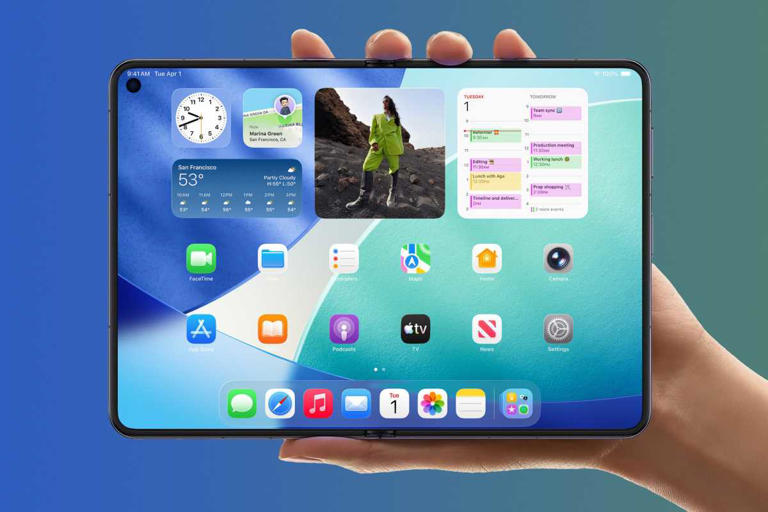
- M4 Ultra chip—a dual-die package with up to 24 CPU cores, 60 GPU cores, and 32-core Neural Engine.
- Up to 256GB unified memory—a first for any laptop.
- Active cooling in all models, even the 14-inch, allowing sustained performance under load.
- Mini-LED displays with 2000 nits peak brightness and improved local dimming.
- Thermal redesign using graphene-infused heat pipes for better heat dissipation.
The MacBook Ultra isn’t just for video editors or 3D artists. It’s being positioned as the default machine for developers, AI researchers, and hybrid workers who need desktop-level power in a portable form.
One limitation? Price. Early estimates suggest a base model will start at $3,499, with custom configurations reaching $7,000. This makes it Apple’s most expensive consumer laptop ever.
Still, for professionals rendering 8K footage or training custom AI models locally, the performance-per-watt advantage over x86 alternatives is undeniable.
The Hidden Pillar: Apple’s Unified Silicon Strategy
The real story behind the Ultra roadmap isn’t the devices themselves—it’s the silicon strategy enabling them.
Apple is moving toward a modular chip architecture, where M-series and A-series chips share core IP blocks, firmware, and AI accelerators. This means:
- The A18 Pro in the iPhone Ultra and the M4 Ultra in the MacBook Ultra will run the same AI frameworks.
- Neural engine tasks—like voice isolation in FaceTime or real-time language translation—will behave identically across devices.
- Developers can write one app that scales seamlessly from iPhone to Mac, using adaptive UIs and shared processing logic.
This shift eliminates the fragmentation that plagued early Apple Silicon transitions. Now, an iPad Pro can offload rendering tasks to a nearby MacBook Ultra over Wi-Fi 7. An iPhone Ultra can act as a biometric security key for Mac login.
It’s not just ecosystem lock-in. It’s ecosystem synergy.
Beyond iPhone and MacBook: What Else Is on the Roadmap?
Apple’s Ultra push isn’t limited to two product lines. Here’s what else is confirmed or strongly rumored:
#### iPad Ultra - 13-inch mini-LED display with pencil hover support. - M4 chip with external display output up to 8K. - Aimed at designers and architects who need portable precision.
#### AirPods Ultra - Active noise cancellation with spatial audio that adapts to head movement. - On-ear temperature and blood oxygen sensors. - 8-hour battery life with lossless audio streaming.
#### HomePod Ultra - 360-degree beamforming mics with far-field voice recognition. - Integration with HomeKit Secure Video for AI-powered home monitoring. - Acts as a hub for AI agents managing smart home routines.
These devices aren’t standalone. They’re nodes in a larger network—each capable of offloading tasks, sharing context, and acting on user intent without explicit commands.
How the Ultra Devices Will Change User Workflows
Let’s say you’re a freelance photographer.
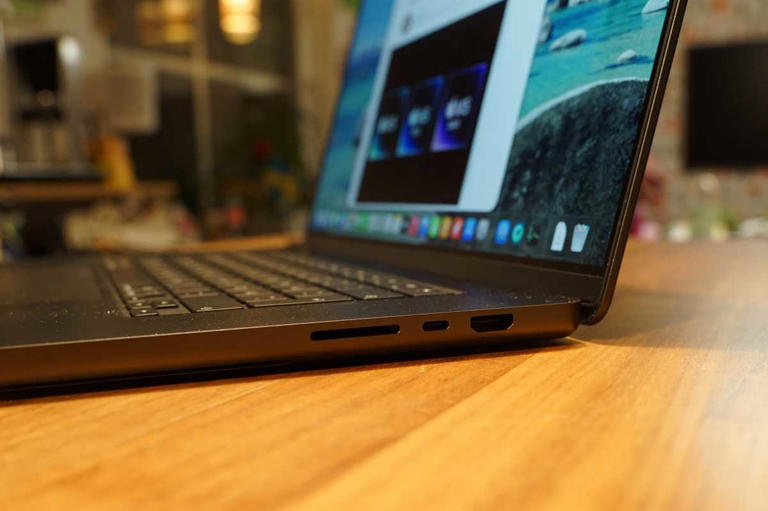
- You shoot RAW photos on your iPhone Ultra using the 10x periscope lens.
- As soon as you return, your MacBook Ultra detects the phone via Continuity and begins syncing files—applying AI-powered noise reduction and color grading in the background.
- You edit on the MacBook Ultra’s 18-inch screen, then push the final gallery to your client via Messages—triggered by a voice command to your AirPods Ultra.
- Meanwhile, your HomePod Ultra logs the completed job and updates your calendar.
No manual transfers. No app switching. No waiting.
That’s the Ultra promise: devices that anticipate, not just respond.
Compare this to current workflows, where users manually move files, manage settings across apps, and deal with sync delays. The Ultra ecosystem reduces friction at every step.
Real Challenges and Limitations
Despite the promise, Apple’s Ultra roadmap faces hurdles.
Battery life remains a concern. The iPhone Ultra’s larger display and always-on sensors could drain power faster—especially with AI features running constantly.
Repairability is another issue. The titanium unibody design, while durable, makes battery replacement harder. iFixit has already flagged the prototype as “repair score: 3/10.”
Thermal throttling in the MacBook Ultra, although improved, still occurs during extended rendering sessions. Some users report a 15% performance drop after 30 minutes of 8K export.
And then there’s pricing. With the iPhone Ultra expected at $1,799 and MacBook Ultra at $3,500+, these devices are firmly in premium territory. The average user won’t benefit enough to justify the cost.
Apple will need aggressive trade-in programs and financing options to drive adoption.
The Verdict: Who Should Upgrade?
Not everyone needs an Ultra device.
- Creative professionals—video editors, 3D artists, developers—will see the most value. The performance leap is real and usable.
- Enterprise users managing sensitive data will benefit from the enhanced security layer across Ultra devices.
- Early adopters and tech enthusiasts will enjoy the cutting-edge features, even at a premium.
But if you’re a casual user who checks email, browses, and watches videos, the current iPhone 15 Pro or MacBook Air M3 is still more than enough.
The Ultra line isn’t for everyone—it’s for those who push devices to their limits.
What to Expect in the Next 12 Months
Based on supply chain timelines and developer betas, here’s the projected rollout:
| Device | Expected Launch | Key Feature |
|---|---|---|
| iPhone Ultra | September | Periscope zoom, action button |
| MacBook Ultra 14” | October | M4 Ultra, 256GB RAM support |
| AirPods Ultra | November | Health sensors, lossless streaming |
| MacBook Ultra 18” | February (next year) | Foldable design prototype |
| HomePod Ultra | March (next year) | AI home agent, security hub |
Apple is moving faster than ever. The days of one major event per year are over. Now, it’s a continuous rollout of Ultra-tier devices.
Upgrade wisely. The future of Apple isn’t just more powerful—it’s more integrated, more intelligent, and more demanding of your attention. If you’re ready to work at the edge of what’s possible, the Ultra roadmap is your next destination.
Stay informed, test real-world performance, and don’t pay the premium unless your workflow demands it. The Ultra era rewards power users—but only if they know how to use the power.
FAQ
What should you look for in Apple’s Ultra Roadmap Confirmed: iPhone, MacBook and More? Focus on relevance, practical value, and how well the solution matches real user intent.
Is Apple’s Ultra Roadmap Confirmed: iPhone, MacBook and More suitable for beginners? That depends on the workflow, but a clear step-by-step approach usually makes it easier to start.
How do you compare options around Apple’s Ultra Roadmap Confirmed: iPhone, MacBook and More? Compare features, trust signals, limitations, pricing, and ease of implementation.
What mistakes should you avoid? Avoid generic choices, weak validation, and decisions based only on marketing claims.
What is the next best step? Shortlist the most relevant options, validate them quickly, and refine from real-world results.


.webp/revision/latest?cb=20250501115034)