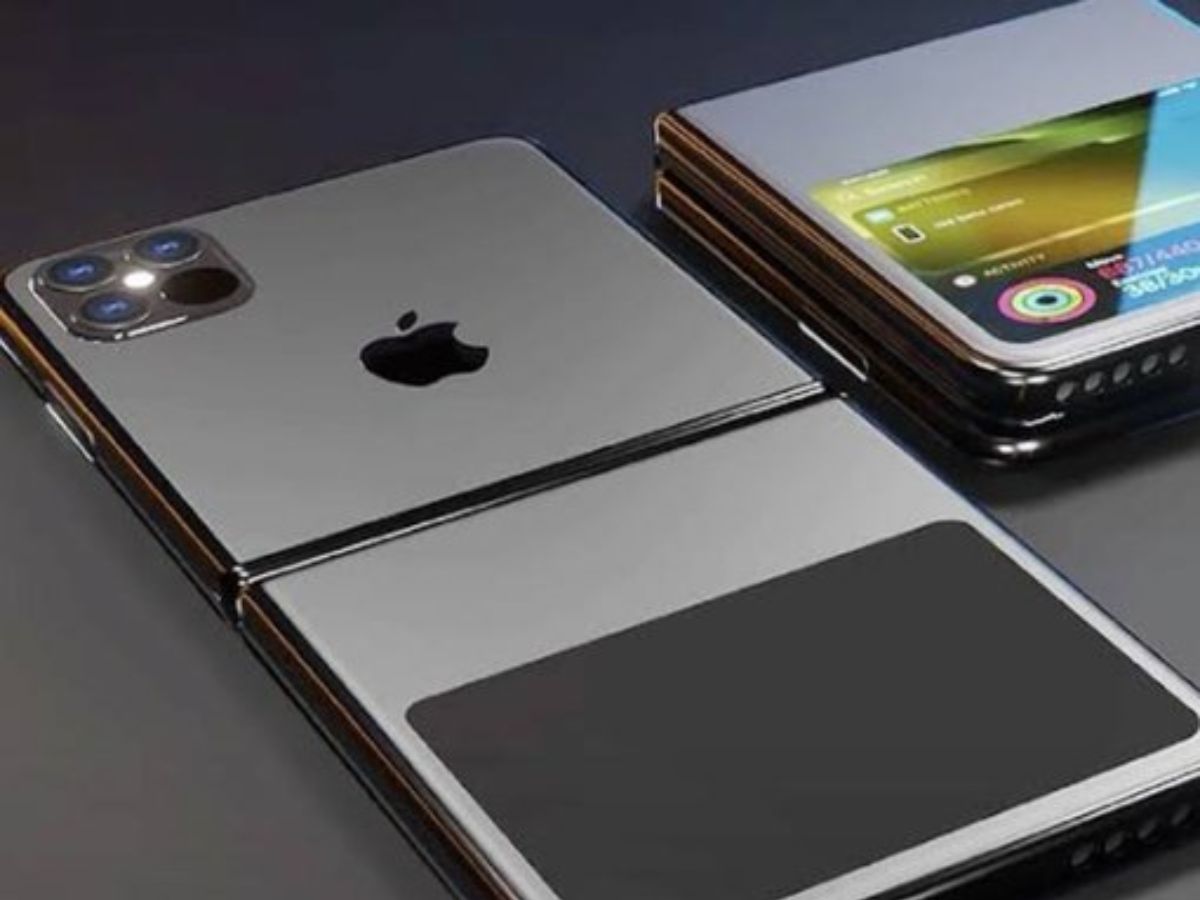
Apple’s long-rumored foray into foldable smartphones has reached a fever pitch. With every passing leak, analysts grow more confident that a foldable iPhone Ultra isn’t just possible—it’s imminent. But behind the buzz, a critical question looms: will it actually work on day one?
History shows even Apple isn’t immune to rocky hardware debuts, especially when venturing into untrodden territory. The foldable iPhone Ultra, while promising, might carry launch-day problems that could undermine its credibility, delay mass adoption, or alienate early adopters.
Here’s a breakdown of the most likely issues, the root causes, and what Apple might be underestimating in its race to catch up with Samsung, Google, and Huawei.
The Hinge: A Weak Link in a High-Stakes Design
No component defines a foldable phone like its hinge. It’s the mechanical heart of the device—responsible for thousands of folds, daily stress, and long-term reliability.
Apple is known for precision engineering, but foldables demand a different kind of durability. Samsung’s Galaxy Z Fold series has improved over generations, but early models suffered from hinge gaps that collected dust and debris, leading to screen damage.
For the foldable iPhone Ultra, Apple may face a tough choice: prioritize slimness or resilience.
Potential Problems: - Narrow hinge gaps may trap lint and particles - Over-engineering for thinness could compromise structural support - Lack of real-world testing across diverse environments
Apple’s obsessive attention to detail might backfire. A hinge too tightly sealed could create pressure on the OLED panel during folding, increasing the risk of micro-cracks over time. Worse, if Apple underestimates daily wear—like folding the phone with one hand while walking—long-term failure rates could climb.
Early adopters often push devices harder than expected. A hinge that survives lab tests might fail in crowded pockets or uneven surfaces.
Display Technology: OLED at a Breaking Point
Foldable OLED panels are still evolving. While Samsung Display leads the market, Apple may rely on LG or a hybrid supply chain. That introduces variability in quality and yield.
The foldable iPhone Ultra will likely use an ultra-thin glass (UTG) overlay, similar to current Android foldables. But Apple’s design aesthetic—edge-to-edge folding without a visible crease—may push the limits of current materials.
Real-World Risk Factors: - Repeated folding accelerates pixel degradation - Crease visibility worsens with screen brightness - UTG is fragile during repairs or drops
There’s also software integration: will iOS dynamically adjust UI elements to avoid constant use of high-stress screen areas? Android foldables already use “prevent burn-in” tactics by shifting app icons slightly each day.
If Apple ships the iPhone Ultra without similar protections, early users could face premature display wear—especially those using navigation, fitness, or productivity apps for hours.
Worse, replacement costs could be astronomical. No third-party repair ecosystem exists for Apple foldables yet, meaning users are locked into Apple’s service network at premium prices.
iOS Isn’t Built for Folding (Yet)
Here’s the hidden flaw: iOS was never designed for foldable form factors.

Yes, iPadOS supports multitasking, but it’s static. Foldables demand dynamic adaptation—apps that shift seamlessly from phone mode to tablet mode, UI elements that reflow, and system-level optimizations for partial folding.
Android has a three-year head start. Google worked closely with Samsung to refine Android 12L and beyond for foldables. Apps like Gmail, YouTube, and Google Keep already support split-screen gestures and adaptive layouts.
iOS? Not so much.
User Experience Gaps to Expect: - Apps stretching awkwardly across the fold - No native support for posture-based interactions (e.g., half-folded camera view) - Limited multitasking compared to Android foldables - Camera UI not optimized for folded-angle shooting
Imagine opening Safari and seeing a misaligned toolbar straddling the crease. Or trying to run two apps side-by-side only to find one crashes because it wasn’t tested on a folding display.
Apple will likely rush a “good enough” iOS update to support the hardware launch. But that’s not the same as true optimization. The result? A device that feels like a prototype wrapped in premium materials.
Early users could become unpaid beta testers—tolerating glitches, inconsistent performance, and software rollbacks.
Supply Chain Constraints Could Limit Availability
Even if the foldable iPhone Ultra is technically sound, getting it into users’ hands might be the real challenge.
Apple’s supply chain is the best in the world, but foldables introduce new bottlenecks: - Limited yield on foldable OLED panels - Complexity in hinge and UTG production - Tight integration between display, battery, and logic board
Samsung struggled with yield rates early on—reportedly below 30% for initial Galaxy Fold runs. Apple may face similar issues, especially if it demands thinner designs or custom materials.
Consequences of Low Supply: - Artificial scarcity driving up resale prices - Delays in global rollout (U.S. and Japan first, others later) - Retailers rationing units, favoring corporate or VIP customers
This isn’t just inconvenient—it could damage Apple’s reputation. Customers used to same-day iPhone availability may face weeks-long wait times. Worse, if early units have issues, the backlash could amplify.
Remember the iPhone 4’s “Antennagate”? A hardware flaw combined with supply pressure created a PR firestorm. A flawed foldable launch under tight supply could be worse.
Battery Life: Physics vs. Expectations
Foldables are power hogs. Larger screens, dual batteries, and extra sensors drain energy fast.
The foldable iPhone Ultra will likely pack a high-resolution display over 7 inches. Even with Apple’s efficient A-series chips, sustaining all-day battery life will be tough.
Battery Challenges: - Larger display = higher power draw - Thinner design limits battery volume - 5G, always-on display, and multitasking compound drain
Android foldables already face this. The Galaxy Z Fold 5, for example, delivers only about 6–7 hours of screen-on time under heavy use.
If Apple can’t squeeze in a 4,500mAh+ battery due to thickness constraints, users may need to charge midday. That contradicts the premium, all-day experience Apple promises.
And charging speed? Apple lags behind Android rivals. While Samsung offers 45W fast charging, Apple may stick with 27W—or worse, cap at 20W. That means longer waits, more downtime, and frustration for users paying $1,800+.
Price: A Barrier to Mass Adoption
The foldable iPhone Ultra won’t be cheap. Estimates place it between $1,799 and $2,199. That’s double the cost of a standard iPhone 15 Pro.
At that price, expectations soar. Users won’t just want a folding screen—they’ll expect flawless performance, top-tier durability, and long-term software support.
But high prices magnify perceived flaws.
Why Pricing Is a Hidden Risk: - One major bug can trigger mass returns - Repair costs may exceed 50% of device value - Consumers compare it to MacBook Air-level functionality
Consider this: a user pays $2,000 expecting a revolutionary device. Then they notice a visible crease, short battery life, and app crashes. Even if the issues are minor, the emotional ROI plummets.
Apple’s brand strength may cushion the blow, but loyalty has limits. If the foldable iPhone Ultra feels like a compromised product, it could stall Apple’s momentum in the foldable race.
The Competition Isn’t Standing Still
Apple enters the foldable market late—and that’s a problem.
Samsung, Google, and OnePlus have iterated for years. The Galaxy Z Fold 6 already offers: - IPX8 water resistance - S Pen support - DeX desktop mode - Mature app ecosystem
Even Motorola’s Razr line has carved a niche with compact flip designs.
Apple may arrive with superior build quality and brand appeal, but it’s playing catch-up on features. Launching a device without standout differentiators—or worse, with glaring omissions—will invite comparisons.
And make no mistake: reviewers will stack the foldable iPhone Ultra against the Fold 6. If it falls short on multitasking, durability, or software, headlines will reflect that.
First impressions matter. Apple needs more than “it folds” to justify its premium.
What Apple Must Do to Avoid a Bumpy Launch
Apple has time—but not much. To avoid launch-day issues, they must:
- Extend beta testing with real users in diverse environments (dust, heat, pockets, bags).
- Optimize iOS deeply, not just superficially—partner with top developers to adapt key apps.
- Invest in hinge durability, even if it adds 0.5mm to thickness.
- Stockpile replacement units for early service needs.
- Be transparent about crease visibility, burn-in risks, and care instructions.
Most importantly, Apple must resist the urge to rush. A delayed, polished launch beats a flawed one.
Final Verdict: Potential Meets Peril
The foldable iPhone Ultra represents both Apple’s ambition and its vulnerability.
It could redefine mobile computing—if it works. But launch day may expose unresolved issues in hardware, software, and supply. Early adopters should proceed with caution: this won’t be another iPhone moment. It’s uncharted territory.
For those waiting: hold off on pre-orders. Let the first wave absorb the hits. Wait for reviews, repairability scores, and real-world durability tests.
Apple will get foldables right—eventually. But version 1.0? It might come with caveats too costly to ignore.
FAQ
What should you look for in Foldable iPhone Ultra Could Face Launch Day Issues? Focus on relevance, practical value, and how well the solution matches real user intent.
Is Foldable iPhone Ultra Could Face Launch Day Issues suitable for beginners? That depends on the workflow, but a clear step-by-step approach usually makes it easier to start.
How do you compare options around Foldable iPhone Ultra Could Face Launch Day Issues? Compare features, trust signals, limitations, pricing, and ease of implementation.
What mistakes should you avoid? Avoid generic choices, weak validation, and decisions based only on marketing claims.
What is the next best step? Shortlist the most relevant options, validate them quickly, and refine from real-world results.


.webp/revision/latest?cb=20250501115034)