Every year, hundreds of workers suffer serious injuries—or worse—because machinery was accidentally re-energized during maintenance. A wrench left inside a conveyor system, a technician adjusting a hydraulic press, or an electrician replacing a circuit breaker—all face extreme risk if equipment activates unexpectedly. That’s where lockout tagout (LOTO) comes in. It's not just a safety procedure; it's a life-saving system designed to isolate hazardous energy sources and prevent unintended machine operation.
At its core, lockout tagout is a standardized safety process used to ensure that dangerous machines and energy sources are properly shut off and cannot be restarted until maintenance or servicing is complete. While the concept seems straightforward, poor implementation leads to thousands of preventable incidents annually. Understanding what lockout tagout is—and how to apply it correctly—is essential for any organization working with industrial equipment.
The Core Purpose of Lockout Tagout
The primary goal of lockout tagout is hazard control. Machines powered by electricity, hydraulics, pneumatics, chemical, thermal, or gravitational energy can release stored power even after being turned off. A conveyor belt may still move from residual tension. A press might drop due to unbalanced hydraulics. These latent dangers make simple shutdown insufficient.
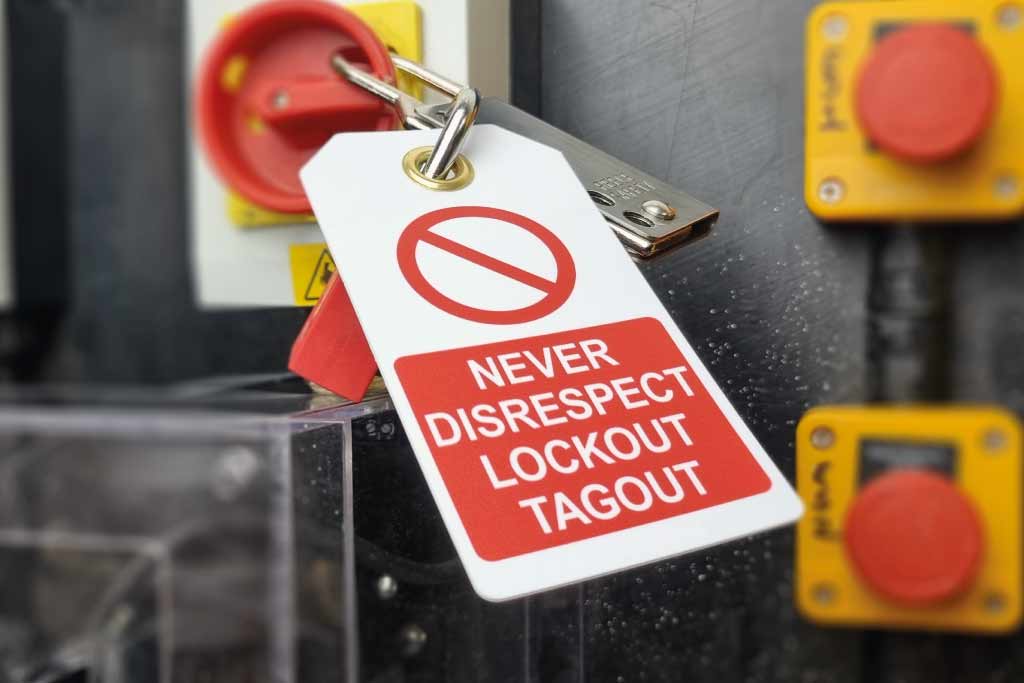
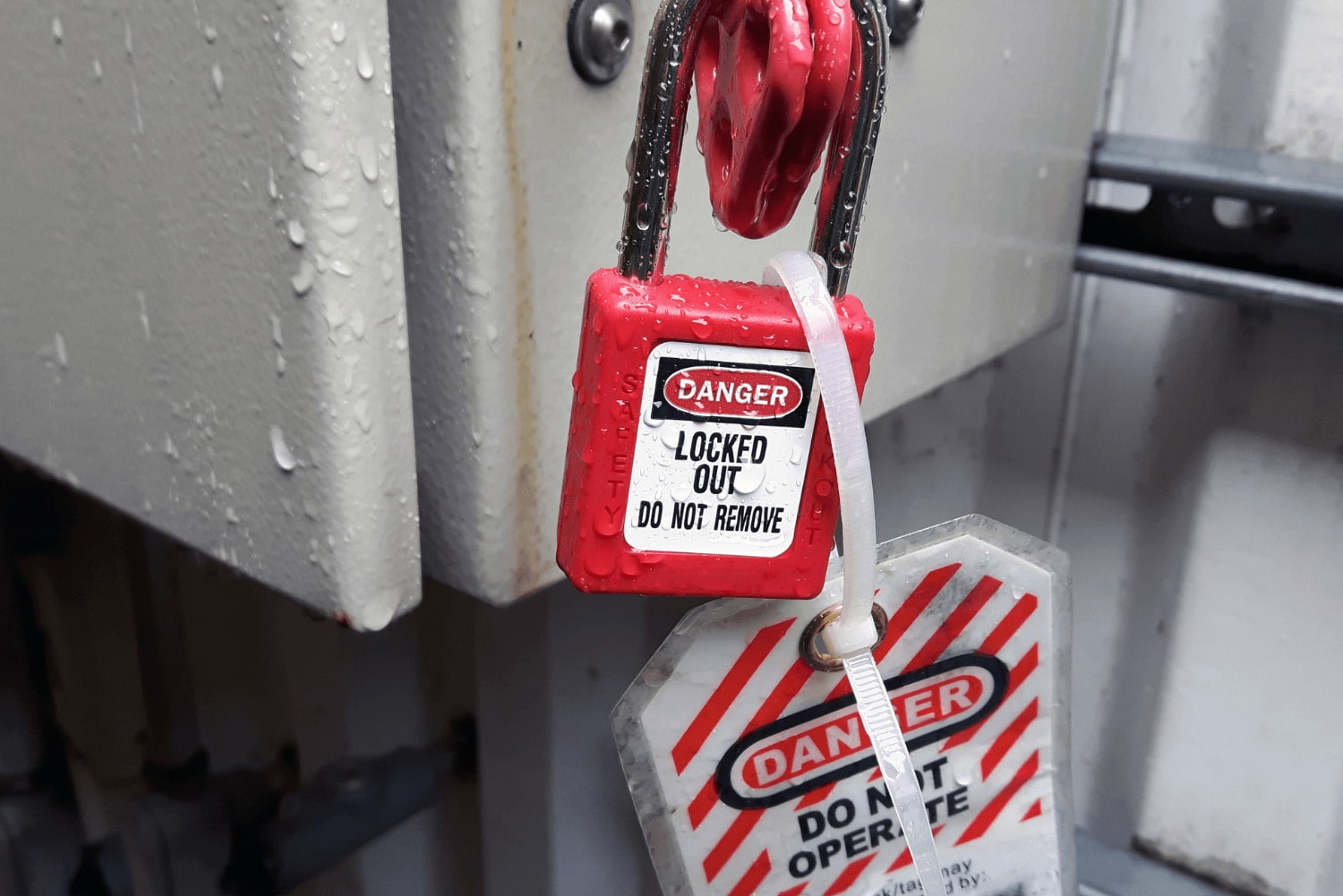
LOTO addresses this by enforcing positive isolation of energy sources. This means physically blocking the flow of energy using locks and clearly communicating the status of the equipment with tags. Unlike verbal warnings or procedural memory, LOTO creates a physical and visual barrier that persists across shifts and personnel changes.
For example, imagine a maintenance worker replacing a motor on a packaging line. Without LOTO, another employee could unknowingly reset a circuit breaker, energizing the line. With LOTO, the breaker is locked in the off position, and a tag indicates who locked it, why, and when it’s safe to remove the lock.
This dual mechanism—lock + tag—ensures both mechanical prevention and informational clarity.
How Lockout Tagout Works: Step-by-Step
Effective LOTO isn’t just about applying a padlock. It follows a strict sequence designed to eliminate gaps in safety. Here’s the standard OSHA-recommended procedure:
- Preparation
- Identify all energy sources powering the equipment (electrical, pneumatic, steam, etc.) and review the site-specific LOTO procedure.
- Notification
- Inform affected employees that maintenance is about to begin and the machine will be shut down.
- Machine Shutdown
- Use normal stopping procedures to turn off the equipment.
- Isolation
- Disconnect or isolate all energy sources—flip breakers, close valves, block moving parts.
- Lockout Application
- Apply lockout devices (e.g., lockout hasps, valve locks, circuit breaker locks) to each energy-isolating device. Each lock should be personal and key-controlled.
- Tagout Application
- Attach durable tags stating the worker’s name, date, reason for lockout, and contact information.
- Stored Energy Dissipation
- Release or block any residual energy—bleed lines, ground circuits, secure suspended parts.
- Verification of Isolation
- Attempt to restart the machine (via normal controls) to confirm zero energy. This step is critical and often overlooked.
- Maintenance Work
- Perform the required servicing or repair.
- Restoration
- Remove tools, re-energize only after ensuring the area is clear, then systematically remove locks and tags. Only the person who applied the lock should remove it—unless authorized under a formal retrieval process.
Skipping any of these steps compromises safety. A common mistake? Failing to verify isolation. Workers assume “off” means “safe,” but without testing, stored energy remains a threat.
Real-World LOTO Applications Across Industries
LOTO isn’t limited to manufacturing plants. It’s applied wherever hazardous energy exists.
Manufacturing Assembly lines with robotic arms require full electrical and pneumatic lockout. A single missed valve lock could cause a robotic joint to move unexpectedly, crushing a technician.
Healthcare Hospitals use LOTO when servicing HVAC systems, sterilizers, or medical gas lines. An accidental release of oxygen or steam could ignite a fire or scald personnel.
Utilities Power substations involve high-voltage lockout. Linemen use custom electrical padlocks and group lockout boxes to ensure no single person can re-energize a circuit prematurely.
Construction Heavy equipment like cranes or excavators may retain hydraulic pressure. LOTO ensures fluid systems are depressurized and controls are disabled during repairs.
Even office environments apply simplified LOTO—imagine an electrician servicing a data center UPS. A lock on the disconnect switch and a tag saying “Do Not Operate – Work in Progress” prevents a blackout or electrocution.
Common Mistakes That Undermine LOTO Safety
Despite clear guidelines, failures happen—often due to human error or organizational shortcuts.
- Using one lock for multiple energy sources
- A single padlock on a main disconnect doesn’t cover secondary sources like hydraulic accumulators or backup batteries.
- Borrowing or sharing lock keys
- Personal locks must only be removable by the person who installed them. Sharing keys defeats accountability.
- Skipping verification
- Assuming a machine is de-energized without testing is a leading cause of accidents.
- Poor tag quality
- Tags that fade, fall off, or lack detail create confusion. They should be weather-resistant and include critical contact info.
- Group lockout without coordination
- In team maintenance, a group lockbox must be used. Each worker applies their own lock. Removing the box requires consensus—not just a supervisor’s approval.
One infamous case involved a worker cleaning a printing press. The machine had been powered down but not locked out. A colleague reset a fault alarm, restarting the press. The result: fatal crush injuries. This tragedy could have been prevented with a single lock and tag.
Legal Requirements and OSHA Compliance
In the United States, lockout tagout is governed by OSHA standard 29 CFR 1910.147. This regulation mandates that employers:
- Develop written energy control procedures
- Use recognized lockout devices
- Train employees (authorized and affected)
- Conduct annual inspections of LOTO practices
Failure to comply can result in fines exceeding $15,000 per violation. More importantly, non-compliance increases liability in the event of injury.
OSHA distinguishes between two types of employees:
- Authorized employees: Those who perform maintenance and apply LOTO. They must be trained in procedures and device use.
- Affected employees: Those who operate or use equipment but don’t service it. They must understand LOTO’s purpose and know not to interfere with locks or tags.
Annual audits are required to ensure procedures are followed correctly. These reviews often uncover gaps—like outdated procedures or missing training records—that can be corrected before an incident occurs.
Essential LOTO Devices and Tools
Effective lockout requires the right hardware. Devices must be durable, standardized, and identifiable. Here are five essential types:
- Padlocks
- Used to secure isolation devices. Should be personal, keyed differently, and marked with the worker’s name.
- Valve Lockouts
- Prevents opening of gas, steam, or fluid valves. Available for ball, gate, and butterfly valves.
- Circuit Breaker Locks
- Fits over breaker toggles to prevent resetting. Some models allow multiple locks for group use.
- Lockout Hasps
- Allows multiple workers to apply their locks to a single energy point. Critical for team maintenance.
- Danger Tags
- High-visibility, tamper-resistant tags that explain why equipment is locked out.
Other specialized tools include plug lockouts, hose crimps, and beam guards for large machinery. The key is consistency: every device should be part of a unified LOTO program with clear policies on use and storage.
Building a Culture of LOTO Compliance
Procedures alone don’t ensure safety—culture does. Companies with strong LOTO programs share common traits:
- Leadership involvement: Supervisors model compliance by using locks and reviewing procedures.
- Ongoing training: Refresher courses and hands-on drills reinforce correct practices.
- Clear documentation: Procedures are accessible, illustrated, and updated regularly.
- Accountability: Workers are empowered to stop work if LOTO isn’t followed.
One plant reduced maintenance-related incidents by 78% in two years simply by introducing monthly LOTO audits and peer-led safety talks. The change wasn’t technological—it was behavioral.
Technology can support culture, too. Digital LOTO systems now use QR codes and mobile apps to log lock applications, track durations, and alert supervisors. While not a replacement for physical locks, they add transparency and traceability.
Final Thoughts: LOTO Is Non-Negotiable
Lockout tagout is more than compliance—it's a fundamental practice for protecting human life. Whether you're servicing a conveyor belt or replacing a light fixture in a high-bay warehouse, the risk of unexpected startup is real.
Understanding what lockout tagout is, how it works, and why every step matters can mean the difference between a routine repair and a catastrophic injury. Implement it rigorously. Train without exception. Audit without delay. Safety isn’t a checklist—it’s a commitment.
Start today: review your LOTO procedures, inspect your lockout kits, and verify that every authorized employee can execute the process flawlessly.
Frequently Asked Questions
What is the difference between lockout and tagout? Lockout uses physical devices to prevent energy restoration, while tagout relies on warning tags. Lockout is preferred; tagout alone is only allowed if lockout isn’t feasible.
Who is responsible for applying a lockout? Only authorized employees who are trained and performing servicing work should apply locks.
Can someone else remove your lock? Only under a formal retrieval program. Otherwise, the individual who applied the lock must remove it.
Are all machines required to have LOTO? Not all. OSHA excludes equipment that is unplugged, cord-connected, and under exclusive control of the user.
What happens if a LOTO procedure fails? It can lead to severe injury, regulatory fines, and legal liability. Regular audits help catch failures before they result in harm.
Do LOTO tags expire? Tags don’t expire, but procedures must be reviewed annually. Tags must remain legible and secure during use.
Can digital systems replace physical locks? No. Digital tools support LOTO but cannot replace physical isolation devices. The lock must physically prevent energy release.
FAQ
What should you look for in What Is a Lockout Tagout and Why It Matters? Focus on relevance, practical value, and how well the solution matches real user intent.
Is What Is a Lockout Tagout and Why It Matters suitable for beginners? That depends on the workflow, but a clear step-by-step approach usually makes it easier to start.
How do you compare options around What Is a Lockout Tagout and Why It Matters? Compare features, trust signals, limitations, pricing, and ease of implementation.
What mistakes should you avoid? Avoid generic choices, weak validation, and decisions based only on marketing claims.
What is the next best step? Shortlist the most relevant options, validate them quickly, and refine from real-world results.

.webp/revision/latest?cb=20250501115034)